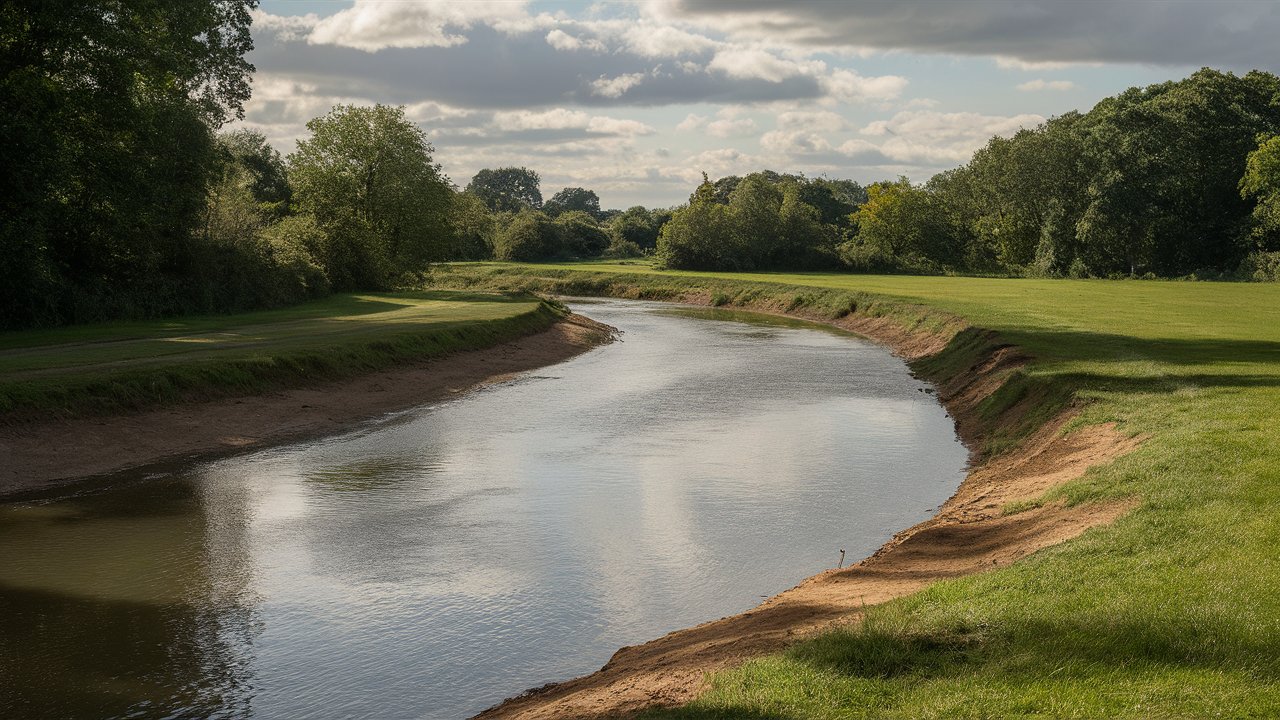
The riverbank collapse iford playing fields has become a pressing environmental and community concern, drawing attention from residents, authorities, conservation groups, and landscape experts across the region. As the erosion progresses, the stability of the riverbanks is being compromised, threatening infrastructure, natural habitats, public access, and recreational spaces. In this comprehensive guide, we explore the reasons behind the riverbank erosion, environmental implications, risks, preventive measures, and effective restoration practices that could safeguard this cherished green space for future generations.
Understanding Riverbank Collapse at Iford Playing Fields
The Iford Playing Fields riverbank collapse is not an isolated event but a result of ongoing environmental stressors. The area has seen progressive bank erosion due to natural and human-induced changes. Increased water flow intensity, heavy rainfall, soil saturation, and riverbed scouring contribute significantly to the problem. As banks weaken, cracks appear and chunks of land break off, often rapidly during periods of flooding.
This issue is especially concerning because the playing fields serve as a vital community recreational zone. Without intervention, we face significant loss of land, restricted accessibility, and potential hazards for walkers, children, and sports clubs.
Key Factors Responsible for Riverbank Collapse
1. Hydrological Pressure and Increased Water Flow
Prolonged high river levels and intensified flow patterns accelerate riverbank erosion at Iford Playing Fields. Constant water movement wears down soil structures, washing away sediments and widening the river over time. Variations in seasonal flow make the river more aggressive during wetter months, increasing collapse probability.
2. Loss of Vegetation and Soil Integrity
Vegetation acts as a natural stabilizer. Tree roots bind soil particles, reducing the chance of erosion. In areas where vegetation has been removed or damaged, the weakened soil becomes vulnerable. Foot traffic, maintenance work, and natural die-off can disturb root networks, creating loose sediment prone to slipping.
3. Climate Change and Extreme Weather Events
Warmer temperatures and changing rainfall patterns are placing additional stress on the landscape. Heavy storms cause sudden surges in water volume, overwhelming banks already weakened by years of erosion. Climate factors continue to be a silent driver in the Iford riverbank collapse situation.
4. Human Activities and Recreational Use
Regular public use of the area means constant pressure on pathways running along the river. While recreation is beneficial for community wellbeing, it can contribute to soil compaction and gradual deterioration of stabilizing vegetation.
Consequences of Riverbank Collapse for Iford Playing Fields
The impacts extend beyond visible land loss. As erosion advances, we risk:
-
Danger to public safety due to unstable ground and steep edges
-
Threats to wildlife habitats, especially river-dwelling species
-
Loss of community sports and event space
-
Higher maintenance and rehabilitation costs over time
-
Flooding risk increases if the river widens and changes course
Without early mitigation, small collapses can escalate, demanding extensive restoration efforts.
Environmental and Ecological Concerns
The river corridor surrounding Iford is home to diverse flora and fauna. Collapsing soil disrupts nests, displaces small mammals, impacts aquatic ecosystems, and clouds the water with sediment that can suffocate fish gills and spawning areas. Protecting this ecology is essential for long-term sustainability of the area.
Restoration Strategies for Riverbank Stabilization
1. Replanting Native Vegetation
Reinforcing riverbanks with deep-rooted plants helps create stability. Willow, alder, and native grasses are particularly effective. Rewilding areas could form a living barrier that absorbs water and strengthens soil structure.
2. Bioengineering and Natural Reinforcement
Environmentally friendly methods such as coir rolls, live willow stakes, brush mattresses, fascines, and biodegradable matting are used to rebuild natural edges. Over time, these solutions blend into the ecosystem without causing harm.
3. Hard Engineering Solutions Where Necessary
In severely eroded sections, gabion walls, riprap stone placement, and timber revetments offer immediate structural support. Although less visually natural, they prevent further collapse and protect high-risk areas such as footpaths or sports zones.
4. River Redirection and Flow Management
Creating gentle slopes, installing deflectors, or reshaping the bank can redirect water and reduce direct pressure on erosion sites. These interventions must be carefully planned to avoid downstream issues.
5. Community Awareness and Controlled Access
Establishing designated pathways and fenced areas helps manage foot traffic. Local community awareness campaigns ensure people understand the importance of protecting the riverbanks during restoration work.
Why Urgent Action Matters
Delays in responding to the Iford Playing Fields riverbank collapse could lead to irreversible damage. Each season, the river cuts further into the landscape. Acting now means investing in a sustainable future where nature and community recreation coexist harmoniously.
Local Involvement and Support
Community stewardship plays a vital role. Volunteers can participate in planting programs, monitoring erosion, reporting issues, and supporting eco-friendly projects. Collaboration between environmental bodies, councils, and residents builds momentum for effective long-term conservation.
Conclusion
The riverbank collapse iford playing fields serves as a reminder of the delicate balance between natural forces and human spaces. By understanding the root causes, evaluating risks carefully, and implementing sustainable reinforcement methods, we can protect this much-loved recreational haven. With proactive measures and collective responsibility, we ensure that future generations can enjoy the fields, wildlife, and river landscape safely and beautifully.
FAQs
1. What is causing the riverbank erosion at Iford Playing Fields?
Heavy water flow, vegetation loss, climate impacts, and constant foot traffic are the main contributors.
2. Can the riverbank collapse be prevented?
Yes. Through vegetation restoration, bioengineering techniques, and river flow management, further collapse can be significantly reduced.
3. Is the area still safe for public use?
Precaution is advised near river edges. Restricted zones may exist to prevent accidents during restoration.
4. How can the community help?
Volunteering with planting projects, respecting pathway routes, and supporting conservation initiatives are effective contributions.
5. Why is vegetation important for riverbank stability?
Roots bind the soil, reduce erosion, and regulate moisture, making vegetation the first line of defense.