In the heart of Asia’s bustling urban landscape, Chinatown hawker leftovers consumption has emerged as a compelling topic of cultural relevance and modern sustainability. As global awareness about food waste surges, communities are exploring innovative ways to reduce daily waste without compromising on hygiene, tradition, or culinary pride. Chinatown hawker centres—famous for their aromatic dishes, vibrant stalls, and diverse culinary heritage—have become focal points in these discussions. In this article, we present an in-depth exploration of the history, practices, misconceptions, and sustainable strategies related to leftovers consumption in hawker environments. With a holistic perspective, we highlight how communities can reduce waste while preserving the essence of Chinatown’s iconic food identity.
Understanding the Tradition of Chinatown Hawker Culture
A Heritage Built on Resourcefulness
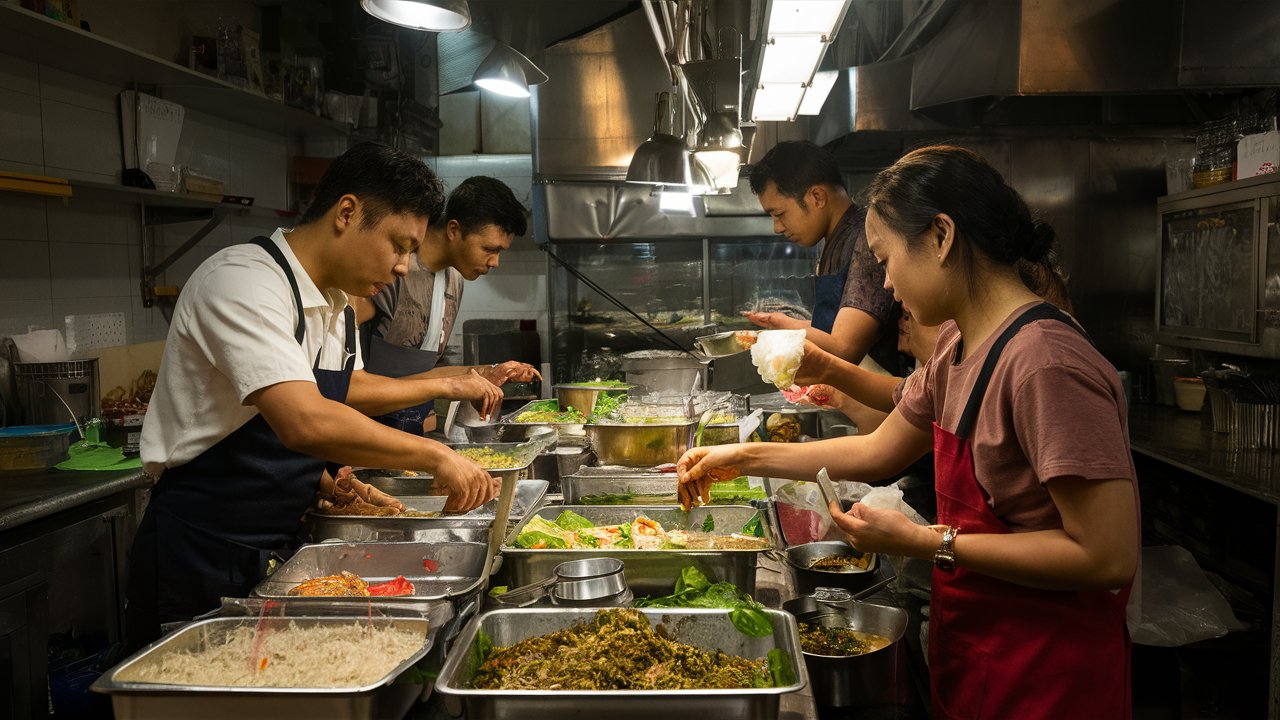
Chinatown hawker centres are more than just food hubs—they are living embodiments of resourceful cooking traditions, where ingredients are used thoughtfully and wastage is minimized. Historically, hawkers followed a philosophy of mindful preparation due to limited financial means and the need to support growing immigrant communities. Leftovers consumption in this context did not refer to reusing customers’ uneaten food but rather the mindful use and transformation of unsold ingredients to prevent waste.
Through careful planning, hawkers learned to adapt recipes based on demand trends, seasonality, and ingredient availability. This cultural practice continues today and plays a vital role in reducing daily food waste across the district.
Modern Perspectives on Chinatown Hawker Leftovers Consumption
Addressing Common Misunderstandings
One of the core misconceptions surrounding leftover consumption in Chinatown hawker centres is the belief that cooked food from previous days is served again. In reality, strict hygiene regulations enforced by local authorities prohibit such practices. Hawkers often face inspections, and non-compliance can lead to penalties, suspension, or license termination.
What many visitors fail to realize is that when hawkers discuss “leftovers,” they often refer to:
-
Unused ingredients such as vegetables, noodles, or sauces
-
Secondary by-products created during bulk preparation
-
Pre-prepared components that can be safely refrigerated and reused
Understanding this distinction is critical to appreciating how Chinatown communities participate in sustainability while maintaining their culinary standards.
Sustainable Food Management Practices in Chinatown Hawker Centres
Efficient Inventory Planning
To minimize excessive stock, hawkers rely on years of experience to assess daily demand. Through observation of peak hours, weather patterns, and day-to-day fluctuations, they craft precise inventory strategies. These strategies reduce spoilage and ensure that fresh dishes are served consistently.
Ingredient Repurposing Without Compromising Quality
Many Chinatown stalls use unused ingredients to create secondary dishes. For example:
-
Excess chicken bones may become broth bases.
-
Remaining vegetables transform into stir-fried sides.
-
Leftover dough may be reworked into fresh pastries the next day.
These practices align with global zero-waste principles while preserving the authentic flavours consumers expect.
Partnerships with Food Distribution Charities
Several Chinatown hawkers collaborate with NGOs and food-sharing platforms to donate surplus food. Instead of allowing edible items to go to waste, they channel them to low-income families, community homes, and volunteers. This reinforces Chinatown’s reputation as a socially conscious neighbourhood.
Health and Safety Standards Governing Hawker Centres
Strict Food Hygiene Regulations
Health authorities conduct rigorous inspections to ensure that food served at Chinatown hawker centres adheres to high sanitation standards. These requirements include:
-
Proper temperature control
-
Frequent disposal of expired ingredients
-
Clean food handling processes
-
Approved storage facilities
These measures make it clear that leftover cooked food is not re-served. Instead, leftovers consumption refers only to regulated ingredient usage, not unsafe food recycling practices.
Training and Certification
Many hawker operators undergo hygiene and food handling certification. This ensures that even as they apply traditional cooking methods, they remain aligned with modern health guidelines.
Cultural Significance of Minimizing Food Waste in Chinatown
Rooted in Ancestral Values
Traditionally, Chinese culture places strong emphasis on respecting food, viewing waste as a sign of disregard for hard work and prosperity. Chinatown hawkers have inherited these values, which manifest in their everyday operations.
Community Responsibility and Collective Effort
The Chinatown community is known for mutual support and shared responsibility. Reducing food waste is a collective effort, involving hawkers, suppliers, consumers, and regulators. When customers finish their meals and avoid unnecessary orders, they also contribute to the reduction of daily food waste.
Environmental Impact of Hawker Leftovers Optimization
Reducing Carbon Footprint
Food waste is a major contributor to global greenhouse gas emissions. Chinatown’s leftovers practices reduce unnecessary waste, which helps lower methane emissions in landfills and contributes to the fight against environmental decline.
Supporting Sustainable Urban Living
In densely populated cities, hawker centres serve as models for eco-friendly food ecosystems. They promote:
-
Efficient material usage
-
Reduced packaging waste
-
Recycling and composting initiatives
Through these measures, Chinatown hawker centres actively participate in sustainable city planning.
Promoting Responsible Leftover Consumption Practices Among Visitors
Encouraging Mindful Ordering
When visiting Chinatown hawker centres, patrons are encouraged to order thoughtfully. Taking only what they can finish reduces plate waste and supports stall owners in maintaining sustainable operations.
Supporting Zero-Waste Hawkers
Many hawker stalls proudly display zero-waste commitments. Visitors can support these initiatives by choosing vendors that practice sustainable sourcing, ingredient repurposing, and eco-friendly packaging.
Frequently Asked Questions (FAQ)
1. Do Chinatown hawkers serve leftover cooked food to customers?
No. Hawker centres follow strict hygiene regulations prohibiting the re-serving of cooked leftovers. Only unused ingredients or safely stored pre-prepped items may be repurposed.
2. What happens to unsold food at the end of the day?
Unsold food may be donated, repurposed into ingredients for next-day preparation, or responsibly discarded under local authorities’ guidelines.
3. Is eating at Chinatown hawker centres safe?
Yes. Hawker centres are monitored closely, and operators must comply with strict food safety standards.
4. How do hawker centres help reduce food waste?
Through proper inventory management, food donations, ingredient repurposing, and participation in community sustainability programs.
5. How can customers contribute to reducing food waste at hawker centres?
They can order portion sizes wisely, avoid leaving uneaten food behind, and support stalls with zero-waste or eco-friendly policies.
Conclusion
Chinatown hawker leftovers consumption reflects a rich blend of cultural wisdom, food sustainability, and modern safety standards. By understanding the real meaning behind leftovers management in this iconic culinary hub, we gain deeper appreciation for the practices that keep Chinatown vibrant, eco-friendly, and true to its heritage. As communities work toward food security and environmental preservation, Chinatown hawker centres stand as inspiring models of balance between culture, commerce, and conscious living.