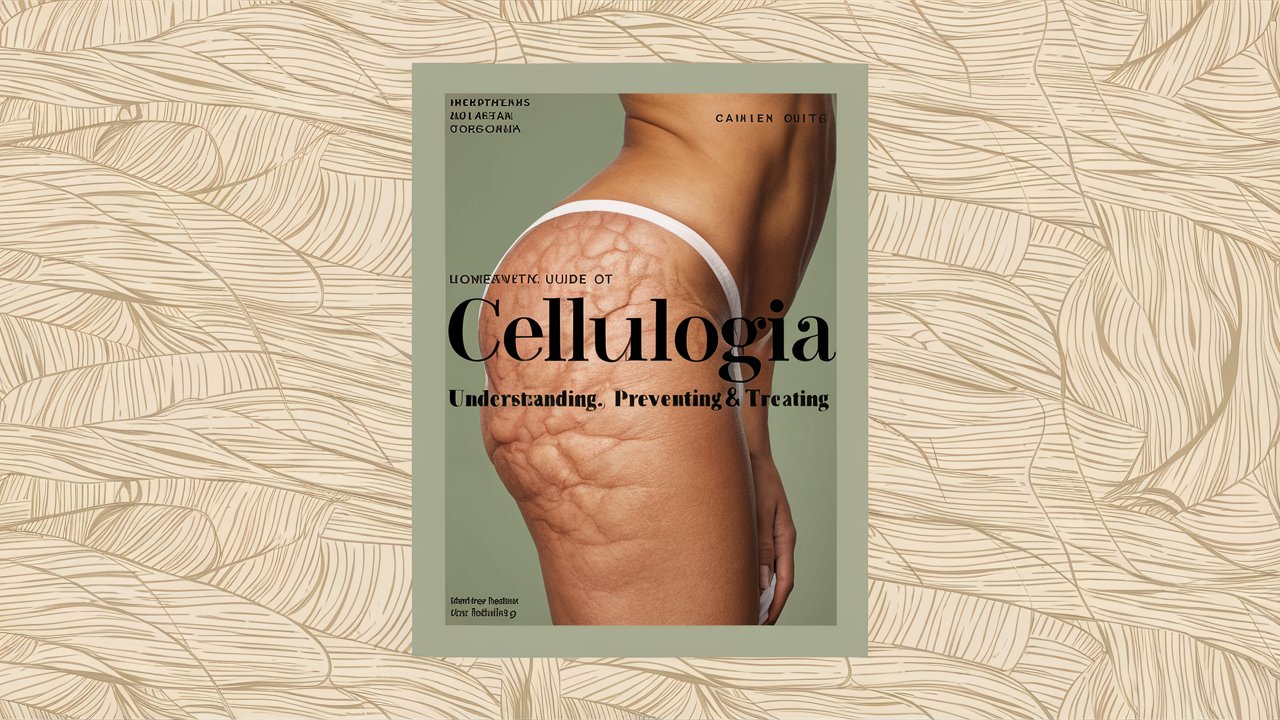
Cellulogia has emerged as one of the most discussed terms in the world of skincare and body aesthetics, representing not only the concept of cellulite formation but also an entire field dedicated to understanding the causes, science, treatment options, lifestyle corrections, and holistic methods for achieving smoother, firmer skin. As the global demand for cellulite reduction solutions continues to rise, the need for a comprehensive, thoroughly researched, and expertly crafted guide becomes essential. Here, we provide an unrivaled in-depth exploration of Cellulogia, helping readers gain clarity and confidence in managing and improving the appearance of cellulite effectively.
What Is Cellulogia? A Detailed Breakdown
Cellulogia refers to the scientific and holistic study of cellulite—its causes, categories, physiological behavior, and effective solutions. Unlike superficial descriptions of cellulite, Cellulogia analyzes the condition from both a biological and lifestyle standpoint, helping individuals understand why cellulite develops, who is most prone to it, and which strategies deliver visible improvements. By approaching the subject through the lens of skin structure, fat distribution, connective tissue health, circulation, and genetics, Cellulogia provides a complete framework for addressing cellulite from the inside out.
This field also spans advanced treatments such as radiofrequency therapy, acoustic wave therapy, lymphatic drainage massage, laser-based procedures, and nutritional optimization, making it a trusted resource for individuals seeking long-term improvements.
Understanding the Causes of Cellulite Through Cellulogia
Cellulite occurs when fat deposits push through weakened connective tissues beneath the skin, creating a dimpled, uneven texture. While many believe cellulite results from excess weight, Cellulogia demonstrates that factors such as hormonal fluctuations, genetic predisposition, collagen degradation, and poor circulation play even bigger roles.
The most influential causes include:
-
Hormonal changes affecting estrogen, insulin, cortisol, and thyroid levels
-
Genetics dictating skin thickness, fat distribution, and metabolic efficiency
-
Lifestyle choices such as inactivity, smoking, alcohol, and high-sodium diets
-
Aging, which reduces collagen production and skin elasticity
-
Poor blood flow, limiting nutrient delivery and toxin removal
-
Inflammation, contributing to fibrosis and tissue rigidity
By understanding these factors, we can develop targeted solutions that work with the body’s natural physiology rather than against it.
Types of Cellulite and Why Identifying Them Matters
Cellulogia categorizes cellulite into distinct types, allowing for personalized treatment strategies:
1. Soft Cellulite
Characterized by loose skin and visible dimpling, often found in individuals with higher body fat percentages. Soft cellulite usually responds well to strength training and collagen-boosting treatments.
2. Hard Cellulite
Tighter, more compact fat deposits that create a firmer texture. Hard cellulite can be more resistant and may require therapies targeting connective tissue thickening.
3. Edematous Cellulite
Often caused by poor lymphatic drainage and fluid retention. It can lead to swelling, heaviness, and discomfort, benefiting greatly from treatments focused on circulation and detoxification.
Categorizing cellulite correctly ensures that treatment plans are both effective and tailored to the individual.
Cellulogia and the Role of Connective Tissue Health
Cellulogia emphasizes the critical role played by collagen, elastin, and fibrous septae, the connective tissues responsible for keeping the skin smooth and firm. When these tissues weaken, tighten irregularly, or become fibrotic, cellulite worsens.
Key insights include:
-
Collagen deficiency results in loose, sagging skin
-
Thickened septae pull the skin downward, forming depressions
-
Inflammation damages structural proteins
-
Poor circulation deprives tissues of essential nutrients
Improving connective tissue integrity is one of the most effective ways to reduce cellulite long-term.
Most Effective Cellulogia-Based Treatments
1. Radiofrequency Therapy
Radiofrequency heats deep skin layers, stimulating collagen production and improving elasticity. It tightens tissue, reduces fat volume, and softens the appearance of dimples.
2. Acoustic Wave Therapy
High-frequency sound waves break down fibrotic tissue, improving skin texture and boosting circulation. This method is one of the most promising non-invasive options.
3. Laser Treatments
Lasers such as Cellulaze target fat deposits, liquefying stubborn fat and releasing tightened connective bands. Results can be long lasting with proper lifestyle maintenance.
4. Lymphatic Drainage Massage
Manual or mechanical massage improves lymph flow, reducing fluid retention, swelling, and toxin accumulation. Ideal for edematous cellulite.
5. Topical Retinol & Caffeine Formulas
Retinol enhances collagen production while caffeine promotes lipolysis. When used consistently, they contribute to smoother, firmer skin.
6. Strength Training
Building muscle improves skin support and reduces the appearance of cellulite. Resistance training is a cornerstone of long-term cellulite improvement.
Nutrition & Lifestyle Strategies Backed by Cellulogia
Cellulogia stresses the importance of anti-inflammatory diets and habits that promote tissue repair and blood flow. Essential components include:
-
Lean proteins to support collagen synthesis
-
Omega-3 fatty acids for reduced inflammation
-
Antioxidant-rich fruits and vegetables
-
Plenty of hydration to enhance circulation
-
Reduced sodium intake to prevent fluid retention
-
Regular movement to stimulate lymphatic flow
These strategies lay the foundation for smoother skin and improved metabolic health.
Cellulogia and the Psychology of Body Image
Cellulite is natural—up to 90% of women experience it, regardless of fitness level. Cellulogia also highlights the psychological aspect of cellulite, helping individuals understand that it is not a flaw but a biological feature. Still, improving its appearance can build confidence, improve self-esteem, and promote healthier lifestyle habits.
Advanced Research & Future Trends in Cellulogia
Emerging fields include:
-
Nanotechnology-based creams
-
Peptide-infused treatments
-
Genetic markers predicting cellulite severity
-
Regenerative medicine and stem-cell therapies
These innovations point toward more effective and long-lasting solutions.
Conclusion
Cellulogia represents a revolutionary approach to understanding and managing cellulite through science, lifestyle, and advanced treatments. By addressing the root causes—from collagen health and hormonal balance to circulation and inflammation—we can develop more effective, sustainable strategies for achieving smoother, firmer, and healthier skin. With the right combination of targeted therapies, nutrition, and daily habits, anyone can significantly reduce the appearance of cellulite and reclaim confidence in their body.
Frequently Asked Questions (FAQ)
1. Can cellulite be completely removed?
While cellulite cannot always be eliminated entirely, its appearance can be drastically reduced with consistent treatments and healthy lifestyle habits.
2. Is cellulite a sign of poor health?
No. Cellulite is a normal and natural condition. It does not indicate poor health or fitness.
3. Do weight loss and exercise remove cellulite?
They can improve it but may not eliminate it entirely, as cellulite is influenced by more than just fat levels.
4. Does drinking water help with cellulite?
Yes. Proper hydration improves circulation, skin texture, and detoxification.
5. Which treatment works fastest?
Laser treatment and acoustic wave therapy often show visible results in a few sessions.