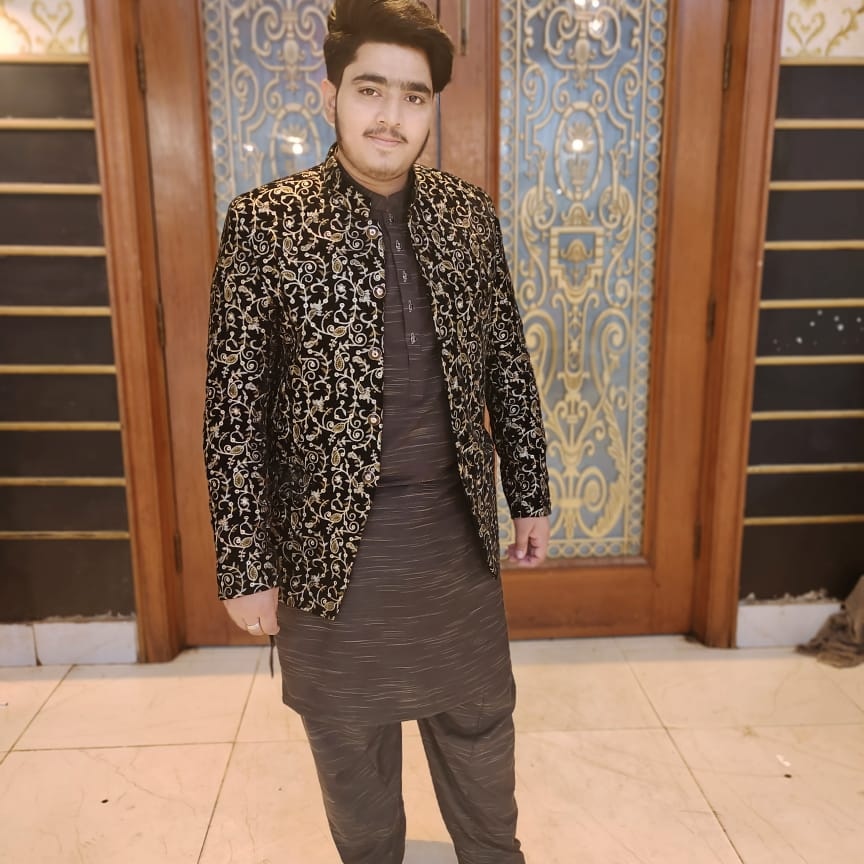
In the world of textiles and cultural fashion, few materials carry the same legacy and beauty as Bardoek. Known for its intricate design, unique texture, and deep cultural origin, Bardoek has evolved over time to become one of the most sought-after fabrics for both traditional wear and contemporary styling. As artisans and fashion enthusiasts continue to elevate and adapt its use, Bardoek stands as an irreplaceable piece of cultural heritage that merges craftsmanship, history, and modern fashion trends.
In this article, we explore the meaning of Bardoek, its historical significance, how it is produced, various uses, styling ideas, best ways to maintain it, and why it remains relevant in today’s fashion world. Our goal is to offer a comprehensive guide to Bardoek, rich with insights and practical information for collectors, designers, and cultural fashion lovers.
What is Bardoek? – A Cultural Fabric with Timeless Value
Bardoek is a traditional woven fabric widely recognized for its detailed patterns, symbolic motifs, and durable nature. Used historically in ceremonial clothing, decorative arts, and cultural rituals, Bardoek is more than just a textile—it is a craft that reflects identity, heritage, and artistic mastery. Every piece of Bardoek carries the imprint of skilled hands, requiring patience and precision.
Unlike mass-produced fabrics, Bardoek is usually handwoven or crafted using traditional looms, ensuring an authentic and personal touch in every thread. This not only enhances its aesthetic appeal but also preserves age-old traditions passed down through generations.
History and Origin of Bardoek – A Legacy Woven Through Time
The roots of Bardoek trace back to ancient lifestyles where fabric was not merely clothing but an expression of culture and social status. Worn during important ceremonies, celebrations, and traditional gatherings, Bardoek symbolized dignity and pride. Over the centuries, techniques of weaving evolved, but the essence remained unchanged—craftsmanship and artistry stayed at the core.
Traditional artisans spent years mastering the skill, learning color meanings, weaving patterns, and dyeing techniques. This makes Bardoek not just a textile but a historical artifact that carries stories and ancestral knowledge.
How Bardoek is Made – From Thread to Masterpiece
Creating Bardoek is a detailed process that demands dedication and experience. Each stage plays a vital role in crafting a fabric that is visually captivating and structurally enduring.
1. Selecting the Right Fibers
High-quality threads such as cotton, silk, or natural fibers are chosen to form the base of Bardoek. The choice of material influences texture, shine, and durability.
2. Natural Dyeing
Dyeing is done with organic pigments derived from plants, wood, and minerals to achieve rich, long-lasting colors. Natural dyes make every piece unique and sustainable.
3. Hand Weaving
The weaving process is the heart of Bardoek production. Artisans interlace threads using traditional looms, forming complex patterns that define Bardoek’s identity.
4. Finishing & Detailing
Finally, the fabric undergoes finishing touches—glazing, washing, trimming, and quality checks to ensure the highest craftsmanship standard.
This slow, precise production process is what makes Bardoek valuable and distinct from machine-made fabrics.
Different Types of Bardoek – Patterns, Motifs, and Styles
Bardoek comes in multiple patterns, styles, and color themes. Some feature geometric designs, while others highlight floral and symbolic motifs. Popular types include:
-
Classic Traditional Bardoek
-
Modern Fusion Bardoek
-
Minimalist Pattern Bardoek
-
Ceremonial Bardoek
-
Premium Handcrafted Bardoek
Each type has its own beauty, ideal for different occasions—traditional ceremonies, modern fashion, interior decor, and collectible art pieces.
Uses of Bardoek in Fashion and Lifestyle
The versatility of Bardoek allows it to blend seamlessly from traditional clothing to modern interior design. Its timeless charm makes it a preferred choice for:
Traditional Clothing
Wedding garments, cultural attire, and ceremonial outfits often incorporate Bardoek to symbolize respect, beauty, and heritage.
Modern Fashion
Designers now use Bardoek in jackets, dresses, scarves, handbags, and footwear, making it a trendsetter in sustainable luxury fashion.
Home & Interior Decor
Table runners, cushion covers, wall hangings, and framed Bardoek pieces transform any space into an artistic environment.
Collectors’ Items
Due to its cultural significance, many people collect premium Bardoek as art pieces and heirloom fabrics.
Why Bardoek is Worth Investing In
Investing in Bardoek means owning a piece of cultural history. It remains valuable because of:
-
Handcrafted authenticity
-
Limited and exclusive production
-
Eco-friendly dyeing process
-
High durability and longevity
-
Growing demand in modern design
This makes Bardoek both an emotional and financial investment, especially for fashion enthusiasts and handcrafted fabric lovers.
How to Care for Bardoek Fabric
Proper care ensures that Bardoek stays vibrant and intact for decades. Always:
-
Wash gently with mild soap or dry clean for premium pieces.
-
Avoid direct sunlight for long periods to protect colors.
-
Store in clean, dry cloth wraps.
-
Do not machine wash or use bleach.
With the right care, Bardoek ages gracefully, just like fine art.
Styling Ideas – How to Wear Bardoek with Confidence
-
Combine a Bardoek blouse with plain skirts or trousers for a balanced look.
-
Turn a long Bardoek fabric into an elegant shawl for formal events.
-
Create modern dresses by blending Bardoek with minimalistic patterns.
-
Use Bardoek accessories—bags, belts, headbands—to add a cultural touch.
Bardoek’s beauty lies in its ability to make even the simplest outfit look rich and expressive.
Conclusion
Bardoek is more than a textile; it is a symbol of identity, heritage, and artistic mastery. Its journey from ancient tradition to modern fashion showcases its timeless relevance and unmatched elegance. By understanding its history, production, uses, and care, we preserve a craft that continues to inspire designers and culture enthusiasts worldwide. Whether you wear it or decorate your home with it, Bardoek remains a statement of beauty and cultural pride.
Frequently Asked Questions (FAQ)
1. What makes Bardoek unique?
Its handcrafted nature, traditional weaving techniques, and symbolic patterns make Bardoek unlike any mass-produced fabric.
2. Can Bardoek be used in modern fashion?
Absolutely. Designers now incorporate Bardoek into contemporary clothing, accessories, and decor.
3. How long does Bardoek last?
With proper care, Bardoek can last for decades while maintaining its color and quality.
4. Where is Bardoek commonly used?
In clothing, accessories, interior decor, ceremonial attire, and collectible art.
5. Is Bardoek an eco-friendly textile?
Yes. Many Bardoek fabrics use natural dyes and traditional weaving methods, minimizing environmental impact.