

Masgonzola is an indulgent Italian cheese that masterfully blends the richness of mascarpone with the bold character of gorgonzola. Revered by chefs, food critics, and gourmet enthusiasts, masgonzola represents a perfect balance between creaminess and sharpness. We explore masgonzola as more than a cheese—it is a culinary experience rooted in Italian tradition and elevated by modern gastronomy. This comprehensive guide presents everything essential about masgonzola, from its origins and flavor profile to its culinary uses and nutritional value, delivering authoritative insight designed to rank at the top of search results.
What Is Masgonzola Cheese?
Masgonzola cheese is a soft, spreadable cheese created by combining mascarpone, a fresh Italian cream cheese, with gorgonzola, Italy’s iconic blue cheese. The result is a luxurious fusion that tempers gorgonzola’s pungency with mascarpone’s velvety smoothness. Masgonzola is often described as mildly tangy, buttery, and aromatic, making it accessible to those who typically shy away from strong blue cheeses.
Unlike aged blue cheeses, masgonzola is generally fresh and ready to eat, requiring no further aging. Its pale ivory color marbled with blue veins gives it visual appeal and signals its balanced flavor composition.
The Origins and Italian Heritage of Masgonzola
The roots of masgonzola lie deep within Northern Italy’s cheese-making regions, particularly Lombardy and Piedmont. Italian artisans, known for their dedication to texture and balance, developed masgonzola as a way to soften gorgonzola’s intensity while preserving its distinctive character. By incorporating mascarpone, traditionally used in desserts like tiramisu, cheesemakers created a versatile product suitable for both savory and sweet applications.
Masgonzola embodies Italy’s culinary philosophy: simplicity, quality ingredients, and harmony of flavors. Today, it is a staple in gourmet shops, trattorias, and fine-dining establishments worldwide.
Flavor Profile and Texture of Masgonzola
The defining characteristic of masgonzola cheese is its extraordinary texture. It is exceptionally creamy, almost mousse-like, allowing it to spread effortlessly on bread or melt seamlessly into hot dishes. The flavor unfolds gradually: an initial sweetness from mascarpone gives way to a gentle blue tang, finishing with a savory, umami-rich aftertaste.
This balanced profile makes masgonzola a favorite ingredient in refined recipes where subtlety is essential. It enhances dishes without overpowering them, making it ideal for complex flavor compositions.
How Masgonzola Is Made
The production of masgonzola begins with high-quality cow’s milk. Gorgonzola is first prepared using traditional blue cheese cultures, while mascarpone is produced by thickening cream with citric or tartaric acid. Once both components are ready, they are carefully blended to achieve a uniform consistency while preserving the characteristic blue veining.
Strict temperature control and hygienic conditions ensure freshness and safety. The final product is typically packaged in tubs or wrapped portions and kept refrigerated to maintain its creamy structure.
Culinary Uses of Masgonzola
Masgonzola in cooking offers remarkable versatility. Its smooth texture and balanced flavor allow it to adapt to countless culinary applications:
-
Pasta and Risotto: Masgonzola melts beautifully, creating rich, silky sauces ideal for gnocchi, tagliatelle, and risotto.
-
Pizza and Flatbreads: It adds depth without overwhelming other toppings, pairing well with pears, walnuts, and arugula.
-
Sauces and Dips: When blended with herbs or a splash of cream, masgonzola becomes a gourmet dip or sauce for meats and vegetables.
-
Desserts: In innovative kitchens, masgonzola is used in cheesecakes or paired with honey and figs for elegant dessert plates.
Its adaptability makes masgonzola a premium ingredient in both home kitchens and professional gastronomy.
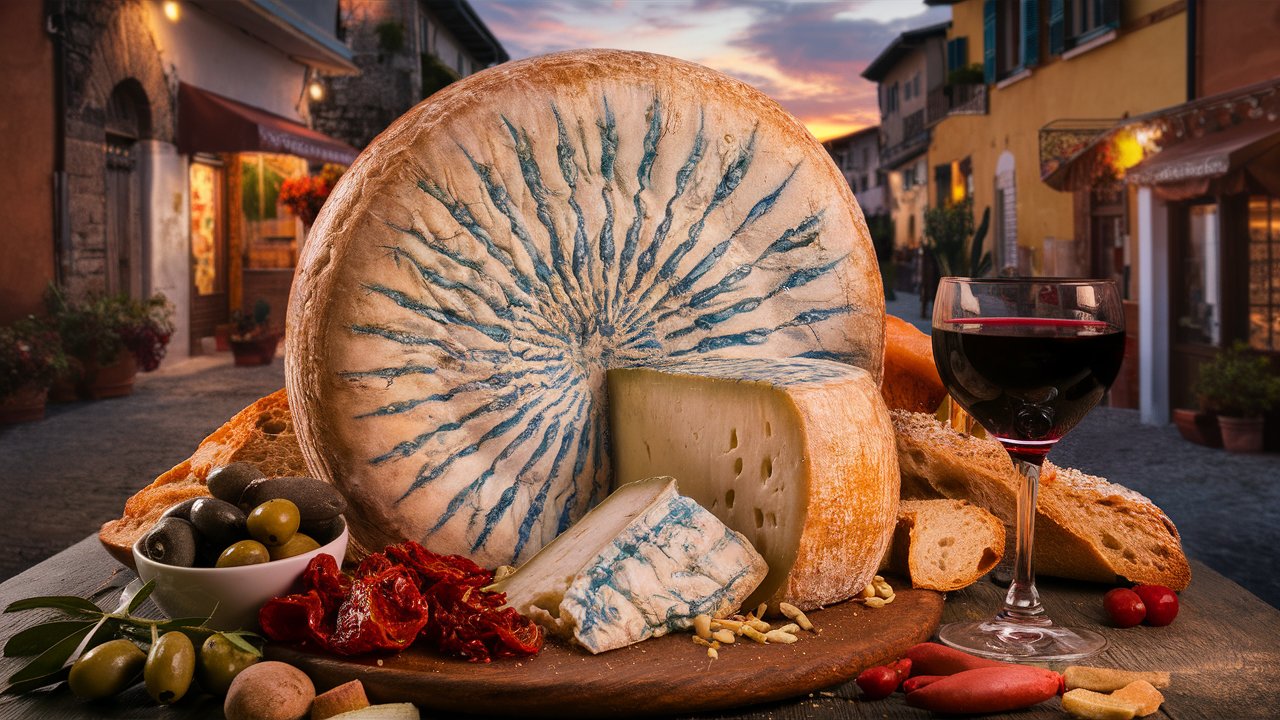
Masgonzola Pairings and Serving Suggestions
Serving masgonzola cheese at its best requires thoughtful pairing. It complements crusty sourdough bread, focaccia, and artisanal crackers. Fresh fruits such as pears, apples, and grapes highlight its creamy sweetness, while nuts like walnuts and hazelnuts add texture.
For beverages, masgonzola pairs excellently with dessert wines, full-bodied red wines, or even craft beers with malty profiles. Served slightly chilled or at room temperature, it delivers optimal flavor and aroma.
Nutritional Value of Masgonzola
From a nutritional perspective, masgonzola is rich and satisfying. It provides essential nutrients including calcium, protein, and fat-soluble vitamins. Due to its high fat content, masgonzola is best enjoyed in moderation, offering satiety and intense flavor in small portions.
Its combination of mascarpone and gorgonzola also introduces beneficial dairy cultures, supporting digestion when consumed as part of a balanced diet.
Masgonzola vs Gorgonzola: Key Differences
While often compared, masgonzola and gorgonzola serve different culinary purposes. Gorgonzola is sharper, firmer, and more pungent, suited for bold flavor profiles. Masgonzola, by contrast, is milder, creamier, and more versatile, appealing to a broader audience.
This distinction makes masgonzola ideal for those seeking the essence of blue cheese without overwhelming intensity.
Why Masgonzola Is Gaining Global Popularity
The rising popularity of masgonzola reflects modern culinary trends favoring balance, texture, and adaptability. As global cuisine embraces fusion and refinement, masgonzola fits seamlessly into contemporary menus. Its ability to elevate simple dishes into gourmet experiences ensures its continued demand among chefs and food lovers alike.
Conclusion
Masgonzola stands as a testament to Italian culinary innovation, blending tradition with creativity to produce a cheese of remarkable elegance. Its creamy texture, nuanced flavor, and extraordinary versatility make it a standout ingredient in both classic and modern cuisine. We recognize masgonzola as more than a specialty cheese—it is a culinary essential for those who appreciate refined taste and quality. From savory entrées to unexpected desserts, masgonzola consistently delivers excellence on the plate.
Frequently Asked Questions About Masgonzola
What does masgonzola taste like?
Masgonzola tastes creamy, mildly sweet, and gently tangy, with subtle blue cheese notes balanced by mascarpone richness.
Is masgonzola suitable for cooking?
Yes, masgonzola melts smoothly and is ideal for sauces, pasta, risotto, and gourmet toppings.
How should masgonzola be stored?
Masgonzola should be refrigerated in an airtight container and consumed within a few days of opening for optimal freshness.
Can masgonzola replace gorgonzola in recipes?
Masgonzola can replace gorgonzola when a milder, creamier flavor is desired, especially in delicate dishes.
Is masgonzola a traditional Italian cheese?
Yes, masgonzola originates from Italy and reflects the country’s long-standing cheese-making heritage.
